
Beginner Guide
Landscape Photography: Composition Basics That Work
Master the rule of thirds, leading lines, and depth. These fundamentals apply to nearly every outdoor scene you'll photograph.
Why Composition Matters More Than You Think
You've probably got a decent camera. Maybe you're using your phone. Either way, it's not the gear that separates a forgettable photo from one that makes people stop scrolling. It's composition — the way you arrange elements in your frame.
Here's the thing: composition rules aren't about being rigid or following a formula mindlessly. They're shortcuts. They're patterns that work because humans naturally find them pleasing to look at. Once you understand the basics, you'll start seeing these patterns everywhere. And then you can actually break the rules with intention.
In the next 12 minutes, we're covering three core techniques that'll improve your landscape photography immediately. Not eventually. Right now. These aren't theoretical — they're practical, tested approaches used by photographers worldwide.
Rule of Thirds: The Easiest Win
Imagine dividing your frame into a 3×3 grid — two vertical lines and two horizontal lines creating nine equal squares. You've just mentally created the rule of thirds grid. Now, place your main subject or horizon line along one of those lines instead of dead center.
That's it. That's genuinely the whole rule. But it works remarkably well. Why? Because centering everything feels static. It looks like a passport photo. Placing subjects off-center creates visual tension — the good kind. Your eye moves around the frame instead of getting bored in the middle.
Practical tip: If you're photographing a landscape with a strong horizon, put it on the upper or lower third line, not the middle. Got a tree or rock formation you want to emphasize? Place it where two grid lines intersect — that's where our eyes naturally look first.
Most modern cameras and phones have a grid overlay option. Enable it. Seriously. You'll train your eye in weeks instead of months, and you'll never go back.

Leading Lines: Guiding the Eye
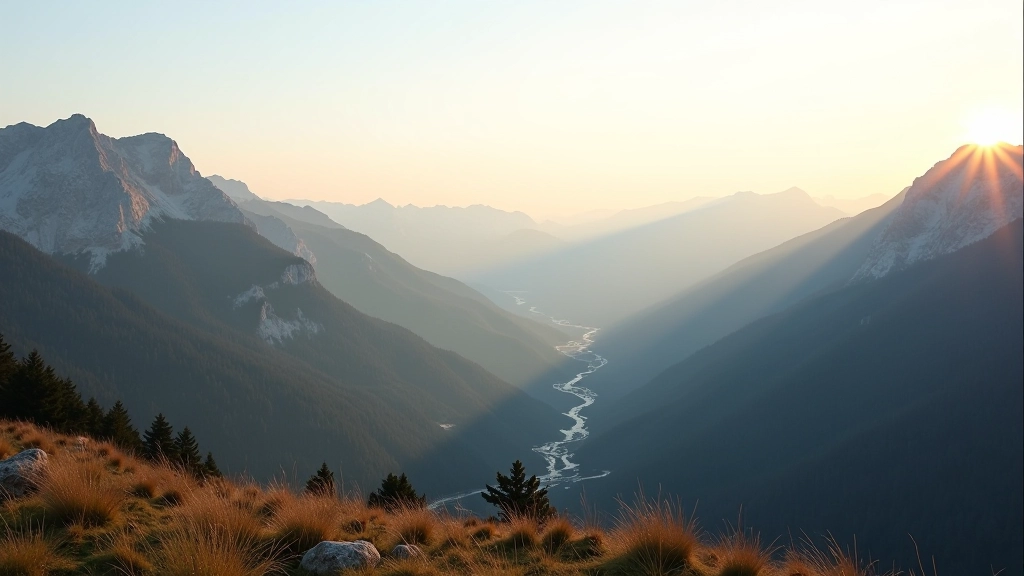
Look at a landscape and you'll notice lines everywhere. Roads, rivers, fence lines, shadows, tree rows. Leading lines are these natural pathways that pull your viewer's attention into the image. They're like a silent invitation saying "look this way."
The most powerful leading lines start in the foreground and travel backward into the image. This creates depth — makes the photo feel three-dimensional instead of flat. A river curving into the distance is stronger than a river running left to right across your frame.
You don't need to find perfect lines. A hiking path, a row of trees, even the edge of a shadow works. The key is making sure the line actually leads somewhere interesting. If your leading line takes people's eyes to an empty corner, you've wasted the opportunity.
Pro move: Combine leading lines with the rule of thirds. Put your leading line along one of those grid lines, and it'll feel intentional rather than accidental. You'll see photographers doing this constantly once you know to look for it.
Creating Depth: Foreground, Middle, Background
This is the technique that separates flat, boring landscape photos from ones that feel immersive. You're going to intentionally include three distinct layers in your composition: something close, something in the middle, something far away.
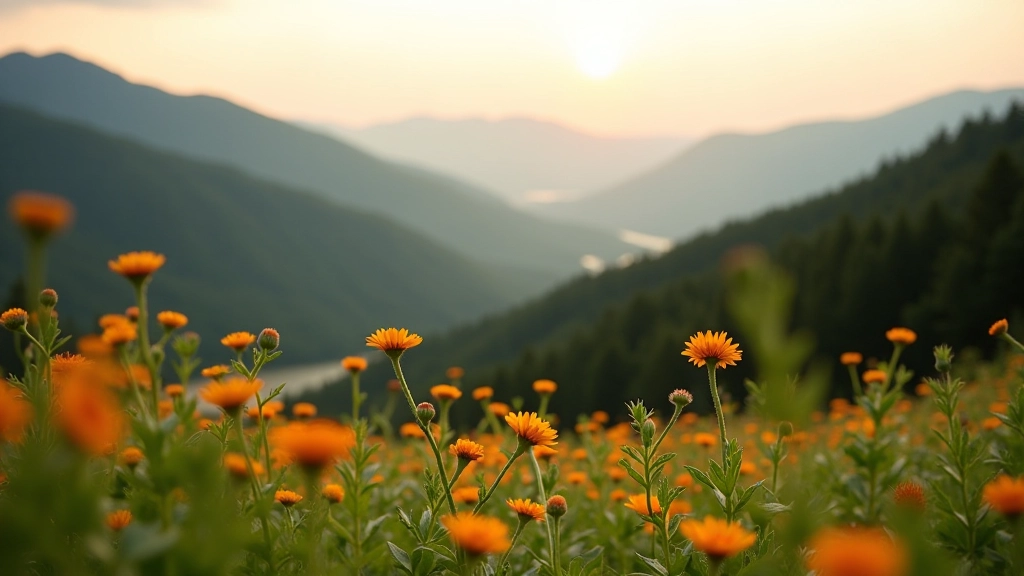
Think of it this way. A foreground element might be wildflowers or rocks. The middle ground could be a forest or field. The background is mountains or sky. Each layer should be distinct enough that viewers can see the separation. This naturally creates the illusion of depth.
The foreground is crucial. Most beginners skip this step and shoot from eye level, resulting in a flat composition. Get lower. Include something interesting at ground level. Kneel down, lie on your stomach if needed. That foreground element anchors the whole image.
You'll notice professional landscape photographers almost always include a strong foreground. It's not an accident. They're using depth deliberately. Once you start doing this, your photos will immediately look more polished and professional.
How to Practice These Techniques
Theory is useful. Application is what actually improves your work.
01
Enable Your Grid
Turn on the rule of thirds grid in your camera or phone settings. Shoot 10 photos today thinking only about grid placement. Don't worry about light or sharpness — just composition.
02
Hunt for Lines
Go for a walk and deliberately look for leading lines. Photograph 5 different lines. A path, a river, shadows, fence posts, anything that guides the eye. Start noticing them everywhere.
03
Layer Your Scenes
For your next landscape shoot, commit to including a foreground element. Get low. Include rocks, plants, or water in the bottom of your frame. See how different it feels.
04
Combine Everything
Take one photo that uses all three techniques: rule of thirds, leading lines, and depth. It'll be challenging. That's the point. You'll learn more from this one shot than a hundred passive shots.
The Real Takeaway
Composition isn't magic. It's not something you're born understanding. It's a skill you build through deliberate practice and attention. The three techniques we've covered — rule of thirds, leading lines, and depth — aren't the only composition principles. But they're the foundation. Master these, and everything else becomes easier to understand.
Here's what we want you to actually do: don't just read this and forget it. Tomorrow, go outside with your camera or phone. Consciously apply one technique. Just one. Notice the difference. Then next time, add another. In a month, you won't recognize your old photos. That's not because you got a better camera. It's because you learned to see.
Key Takeaway: Composition is about intentional choices, not random framing. Enable your grid, look for lines, include foreground depth. These three habits will transform your landscape photography faster than anything else.
A Note on Learning
This article provides educational information about landscape photography composition principles. Individual results will vary based on equipment, location, lighting conditions, and personal skill development. Photography is a creative discipline — there's no single "right" way to compose every image. These principles are guidelines, not absolute rules. The best photographers know when to follow these rules and when to intentionally break them for creative effect. Your own experimentation and practice are essential to developing your unique photographic voice.
Related Articles