
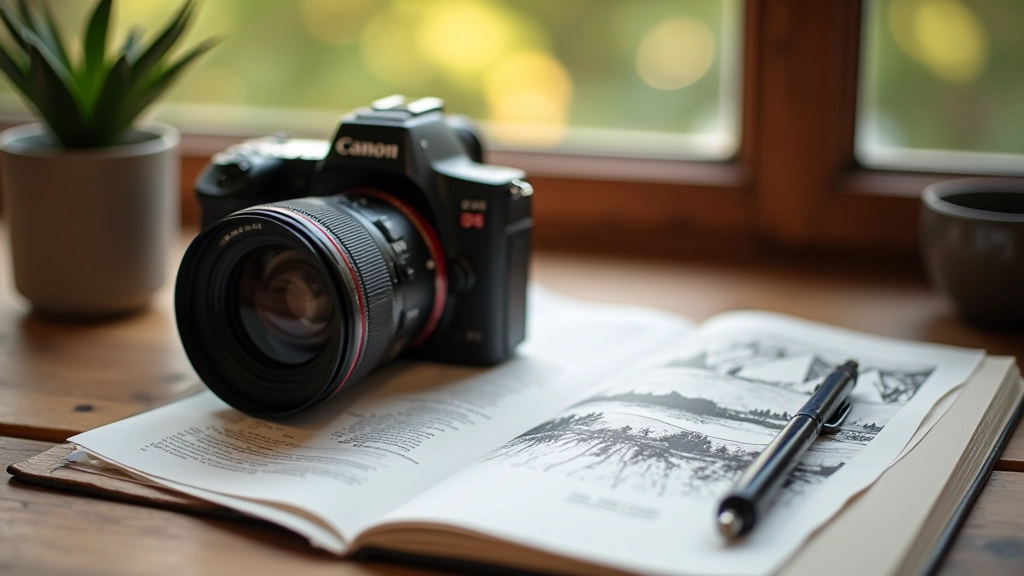
Landscape Photography: Composition Basics That Work
Learn the rule of thirds, leading lines, and depth techniques. These fundamentals apply to nearly every outdoor scene you'll photograph.
Read GuideLearn landscape photography, photo editing, digital illustration, and composition techniques. Courses designed for seniors who want to explore visual creativity at their own pace.
Whether you're picking up a camera for the first time or looking to sharpen skills you already have, we've created structured workshops that focus on fundamentals without the jargon. Most students see real improvement in their work within the first few weeks.

Practical guides and foundational knowledge to get you started on your creative journey
Learn the rule of thirds, leading lines, and depth techniques. These fundamentals apply to nearly every outdoor scene you'll photograph.
Read Guide
Brightness, contrast, saturation — these four adjustments solve most editing problems. We'll show you how to use them without overdoing it.
Read Guide
Don't worry about having no drawing experience. We cover tool basics, brush selection, and how to build confidence with your first digital artwork.
Read Guide
Symmetry, framing, negative space, and color harmony. Learn how to move past basic rules and develop your personal photographic style.
Read Guide"The thing I didn't expect was how quickly I'd feel comfortable experimenting. By week three, I wasn't just following instructions — I was trying my own ideas and they actually worked. That's when it got fun."
Each course is designed for paced learning with plenty of practice time and real feedback
We start with the essential knowledge you need. Camera settings, software basics, or composition rules — whichever applies to your course. No overwhelming theory, just what you'll actually use.
You'll work through exercises with real images or projects. Most sessions are split between instruction and practice time where you can ask questions and get feedback.
Once you've got the basics down, we shift toward helping you develop your own approach. You're not just copying techniques — you're learning to make creative choices.
We look at what you've created, identify what's working, and talk through improvements. This feedback loop is where real learning happens.