
Creative Composition Techniques: Beyond the Basics
Move past the rule of thirds. Learn symmetry, negative space, color harmony, and how to develop your own visual voice.
Why Composition Rules Are Just the Beginning
You've learned the rule of thirds. You know about leading lines. But something's still missing — your photos look technically correct, yet they don't feel like yours. That's because true composition isn't about following rules. It's about understanding them deeply enough to break them intentionally.
The photographers whose work stops you in your tracks? They're not thinking about grid overlays. They're thinking about balance, tension, rhythm, and how color moves your eye through the frame. These intermediate techniques take your work from "nice photo" to "I can't stop looking at this."

Symmetry and Asymmetry: Finding Balance in Imbalance
Perfect symmetry is calming. It's peaceful. But it can also feel static. The most compelling photographs often live in the tension between balance and imbalance — where elements are arranged so carefully that even slight asymmetry feels intentional.
Try this: Instead of centering your main subject, place it in one-third of the frame, then balance it with smaller elements on the opposite side. A large tree on the left might be answered by a distant building on the right. The visual weight doesn't match, but the composition feels resolved. This takes practice to feel natural rather than awkward — usually around 20-30 shots before your eye starts instinctively understanding the balance.
Symmetry works best for reflections, architecture, and subjects that genuinely are mirror-image. When you use symmetry deliberately, it becomes powerful. When it happens by accident, it looks like you weren't paying attention.

Negative Space: What You Don't Include Matters
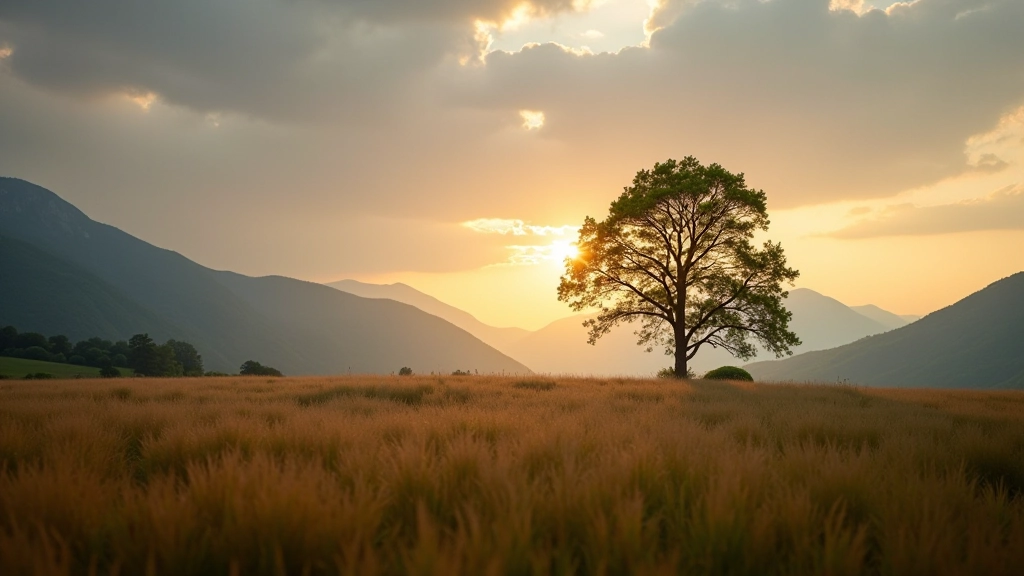
Beginners fill the frame. Intermediate photographers know what to leave out. Negative space — the empty areas around your subject — is just as important as what you're photographing. It gives your subject room to breathe and makes the viewer's eye land exactly where you want it.
When you're composing, ask yourself: Does my subject need all this space around it, or just some? A portrait might need breathing room on one side (where the person's gaze can travel). A landscape might need more sky than land, or vice versa. There's no rule — just intention. The emptiness becomes part of the story you're telling.
This is where patience helps. You'll take 15 shots of the same scene — moving closer, moving back, changing your angle — before the negative space finally feels right. That's not wasted effort. That's your eye developing.
Color as Composition: Making Hues Work for You
You've probably noticed that some photographs feel cohesive while others feel chaotic. Often it's not about what's in the frame — it's about the colors. A limited color palette (maybe 2-3 dominant colors) creates harmony. Complementary colors (opposite on the color wheel) create tension. Both work, but they work differently.
Autumn landscapes often succeed because the warm oranges and reds are naturally limited. Snow scenes work because white simplifies everything. But what about mid-summer green? That's where you need to be intentional. Maybe you shoot in overcast light to reduce contrast. Maybe you include a pop of color — a red jacket, a wildflower — that breaks the monotony and guides the viewer's attention.
The skill here isn't knowing color theory perfectly. It's noticing. Spend a week just photographing the same location in different light and weather. You'll start seeing which conditions create the color relationships you want.

Depth Through Layering: Building Visual Dimension
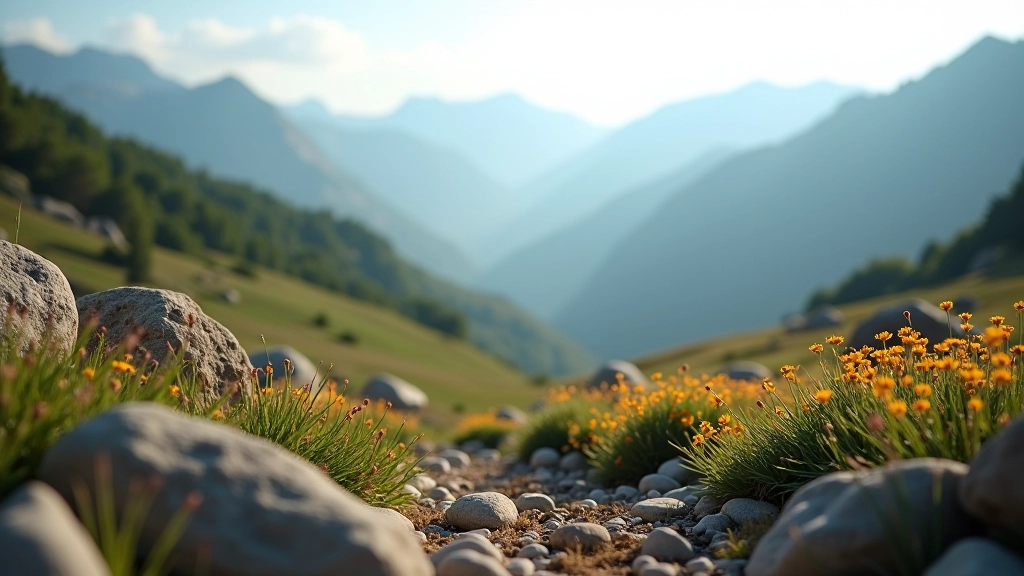
Two-dimensional photos can feel flat. Three-dimensional photos pull you in. The secret? Layering. You're not adding anything to the scene — you're just positioning yourself so that the viewer's eye travels through multiple planes: foreground, middle ground, background.
In practice, this means getting low and including something close to your camera — a rock, grass, wildflowers — then your main subject in the middle distance, then mountains or trees far back. Each layer should be distinct enough that the eye can distinguish them. Your aperture matters here (f/5.6 to f/11 typically works better than f/1.8 for this kind of layering), but your positioning matters more.
Try this on your next outing: Find a viewpoint where you can see at least three distinct layers. Move around until each layer is visually interesting and separate. Don't settle for the first angle that looks "fine."
Putting It All Together: Your Personal Visual Language
These techniques aren't separate tools. They work together. A photograph with strong negative space might also use asymmetrical balance and layered depth. Color choices reinforce the mood created by your composition. Your job as a developing photographer is to stop seeing composition as a checklist and start seeing it as your visual voice.
The Practice Habit
Shoot the same scene from 10 different angles. Not because one will be "perfect," but because your eye will learn what changes and what stays constant. This takes 20-30 minutes but teaches more than reading about it.
The Reference Study
Find photographs you love. Really study them. Where's the main subject? How much negative space? What colors dominate? Don't copy — understand. Then go create something with those principles but your own subject matter.
The Editing Connection
Good composition starts in the viewfinder, but it's finished in editing. Color grading, contrast adjustments, and cropping all affect how your composition reads. They're not separate skills — they're extensions of the same vision.
What's Next for Your Photography
Moving beyond basic composition rules isn't about memorizing more rules. It's about developing your eye through intentional practice. You'll start noticing light, color, and spatial relationships without thinking about them consciously. That's when your photography stops looking like you're following instructions and starts looking like you have something to say.
The photographers who inspire you didn't get there by knowing everything. They got there by caring deeply about every frame and taking hundreds of photographs to figure out what works. You're on that same path right now. Every time you notice the negative space, every time you choose not to include something, every time you wait for the light to change — that's the work. That's the learning.
Continue Learning
Ready to apply these techniques? Our intermediate photography workshops include hands-on composition practice with real feedback. You'll spend time outdoors shooting, then reviewing your work with instructors who'll help you see what you're doing right and where you can push further.
Explore Our ProgramsAbout This Guide
This article presents composition principles used in professional photography. These techniques work across different camera types, lenses, and subjects, but results depend on your specific situation, equipment, and creative choices. Photography is personal — these aren't absolute rules but rather tools to consider and adapt to your style. Your own experimentation and practice will be your best teacher.
Related Articles